
"sixth century"
300 article(s) found
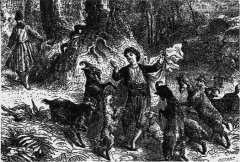
The legend of coffee there are many legends about the discovery of coffee.
There are many legends about the discovery of coffee, one of which is according to Rothschild, a Roman linguist. The record of Neroy (1613-1707): around the sixth century, when Kardai, an Arab shepherd, was herding sheep to the Isobian prairie, he was very excited and excited to see each goat jump with delight. Later, after careful observation, he found that these sheep flocks
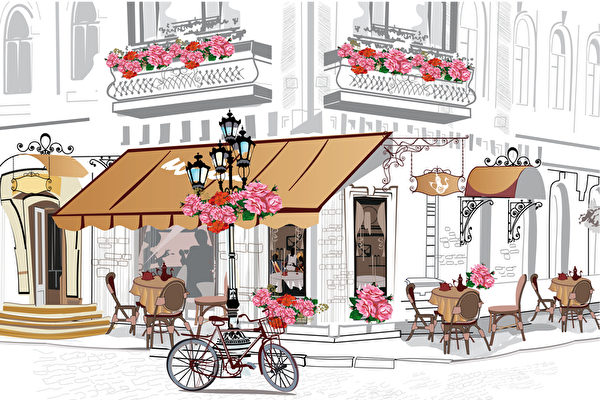
The top ten old cafes in Paris are still very popular after 100 years of operation.
Professional coffee knowledge exchange more information about coffee beans Please follow the coffee workshop (official Wechat account cafe_style) the streets of Paris, cafes can be seen everywhere, it is a part of Parisian life. The oldest cafe in Paris, which has been open since the 17th century and remains open to this day. From the 19th century to the early 20th century, some cafes were inspired by the literary and intellectual elites of Paris.
Introduction to the treatment methods of grinding degree for describing the flavor of Puerto Rico coffee varieties in producing areas
Puerto Rico, as a territory outside the territory of the United States, is rarely heard of, and most people may know that it is a tourist resort rich in Miss World. As one of the few island countries in the Caribbean, the country, which the Spaniards call the port of wealth, had a blank history before Columbus discovered the New World. Yaoke Yauco is an area of 176.5 square meters in the south of Poland.

Introduction to the characteristics of Larez Yaoke Coffee Manor in Puerto Rico with a mild, supple and balanced taste.
Puerto Rico's new farm coffee is a mild, supple and well-balanced island bean with a charming single malt flavor, extremely sweet when sipped in a cup, and medium-roasted creamy and greasy texture that is often suitable for Puerto Rico island beans. Product description: the whole history of Caribbean coffee has a lot to do with the Spanish reclamation, in the 18th century.

The flavor variety of Ethiopian Yega Sheffivoka coffee with medium thickness and not obvious sour taste.
When it comes to Ethiopia, let's first talk about the origin of coffee. In about the sixth century, when Kardai, an Arab shepherd, was driving sheep to the Ethiopian prairie for grazing, he was very excited and excited to see each goat. He felt very strange. Later, after careful observation, he found that these sheep were excited only after eating some kind of red fruit. Cardai was curious.

Coffee knowledge points: where does coffee come from? Deciphering the historical and cultural causes of coffee
Legend of Coffee History in the sixth century AD, a shepherd in Ethiopia found that his sheep were suddenly jumping everywhere. He observed carefully that the sheep had this excited reaction after eating only a kind of red tiredness. He tried to share the fruit with others, and all the people felt refreshed and refreshed after eating it, so the fruit was used.

Yega Sheffield Coffee Manor Cochell Manor introduces the boutique coffee in Yega Chefe coffee flavor and taste producing area.
When it comes to Ethiopia, let's first talk about the origin of coffee. In about the sixth century, when Kardai, an Arab shepherd, was driving sheep to the Ethiopian prairie for grazing, he was very excited and excited to see each goat. He felt very strange. Later, after careful observation, he found that these sheep were excited only after eating some kind of red fruit. Cardai was curious.

Description of Flavor Coffee Flavor in Yejia Ficher Manor introduction of Fine Coffee Flavor Flavor
When it comes to Ethiopia, let's first talk about the origin of coffee. In about the sixth century, when Kardai, an Arab shepherd, was driving sheep to the Ethiopian prairie for grazing, he was very excited and excited to see each goat. He felt very strange. Later, after careful observation, he found that these sheep were excited only after eating some kind of red fruit. Cardai was curious.
The taste of coffee is not strong in the mouth. Introduction to the growing environment
When it comes to Ethiopia, it is better to talk about the origin of coffee. About the sixth century AD, an Arab shepherd named Kaldi was driving sheep to the Ethiopian steppe to graze. He saw that every goat was extremely excited and excited. He thought it was strange. Later, after careful observation, he discovered that these sheep would be excited only after eating some kind of red fruit. Kaldi was curious.

Puerto Rico Coffee Manor introduces San Pedro Coffee beans
Puerto Rico Puerto Rico San Pedro Manor Coffee beans Puerto Rico's new farm coffee is a mild, supple, well-balanced island bean with a charming single malt aroma, extremely sweet when sipped in a cup, and medium-roasted creamy and greasy texture that is often suitable for Puerto Rican island beans. "Puerto Rican Coffee beans | San Pedro Manor Cafe, Puerto Rico

The coffee-producing country of Puerto Rico, known as the "port of wealth", introduces San Pedro Manor.
Yaoke Yauco is an area of 176.5 square kilometers in southern Poland, named for its production of Tainos, but local residents prefer to call themselves la Ciudad del Caf (Coffee City) and la Capital Tana (Tainos Center). In the 1860s, immigrants from Corsican improved the cultivation of coffee and pioneered the application of flower stickers to the removal of coffee.

Indian Coffee Bean Origin History and Culture
The Shepherd's Story: According to the Roman linguist Rothenay (1613-1707), an Arab shepherd named Caldey, who was herding sheep on the Ethiopian steppe in the sixth century AD, found it strange that each goat was excited and excited. He later observed carefully that the sheep had eaten some kind of red fruit

Introduction of Puerto Rican coffee beans with mild, supple and balanced taste
Puerto Rico's new farm coffee is a mild, supple and well-balanced island bean with a charming single malt flavor, extremely sweet when sipped in a cup, and medium-roasted creamy and greasy texture that is often suitable for Puerto Rico island beans. "Puerto Rican Coffee beans | Coffee beans w.kaf.name (Puerto Rico Coffee beans) from San Pedro Manor, Puerto Rico."

One minute to master the knowledge of coffee cold
Follow the caf é (official Wechat account vdailycom) and found that the Beautiful Cafe opened a small shop of its own around the sixth century, when Kardai, an Arab shepherd, was driving sheep to the Isobian prairie for grazing, he felt very excited and excited. He felt very strange. After careful observation, he found that these sheep had eaten some kind of red fruit.

Puerto Rico Estates Coffee Flavor Taste Variety Production Features Fine Coffee Bean Introduction
In 1898 the Spanish-American War broke out and Spain was defeated. According to the Treaty of Paris, Puerto Rico was ceded to the United States. The administrative authority of the United States over Puerto Rico first took the form of a military government. During its two years of rule over the island, the military government built schools, roads, railways, hospitals and health facilities. In 1900, the United States Congress established civilian control over the island. Governor, Cabinet and

Puerto Rico Coffee Manor flavor taste introduction to San Pedro Manor
In 1736, coffee trees were introduced from Martinique to Puerto Rico. Most of the early coffee was grown by immigrants from Corsica. By 1896, Puerto Rico was the sixth largest exporter of coffee in the world, with most coffee shipped to France, Italy, Spain and Cuba. Coffee farms flourished in the 19th century, but the rise of sugarcane and drug farming

Puerto Rican Coffee San Pedro Manor with mild, supple and balanced taste
Puerto Rico Puerto Rico San Pedro Manor Coffee beans Puerto Rico's new farm coffee is a mild, supple, well-balanced island bean with a charming single malt aroma, extremely sweet when sipped in a cup, and medium-roasted creamy and greasy texture that is often suitable for Puerto Rican island beans. "Puerto Rican Coffee beans | San Pedro Manor Cafe, Puerto Rico

What are the coffee-growing areas in Puerto Rico? Matagalpa.
Yaocote's coffee of choice was the best in the world in 1736, when the coffee tree was introduced from Martinique to Puertp Rico. Most of the early coffee was grown by immigrants from Corsica. By 1896, Puerto Rico was the sixth largest exporter of coffee in the world, with most coffee shipped to France, Italy, Spain and Cuba. Coffee farms flourished in the 19th century, but
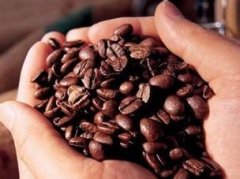
Introduction to San Pedro Manor
In 1736, coffee trees were introduced from Martinique to Puerto Rico. Most of the early coffee was grown by immigrants from Corsica. By 1896, Puerto Rico was the sixth largest exporter of coffee in the world, with most coffee shipped to France, Italy, Spain and Cuba. Coffee farms flourished in the 19th century, but the rise of sugarcane and drug farming

Bitter-free, nutritious Puerto Rican Coffee San Pedro Manor
Puerto Rico's coffee industry has an extremely optimistic outlook, ranking sixth in the world in terms of total exports, and most of the coffee they produce is shipped to Europe, including France, Italy and Spain. Coffee farms in Puerto Rico flourished until the 19th century, but unfortunately, the rise of sugarcane and drug farming as well as the impact of hurricanes and wars made Puerto Rico's coffee industry